Savannah rat and mouse control
Rodent Control in Savannah, GA
If you hear scratching at night, find droppings in the kitchen, or see a rat near the garage, call Savannah Rodent Control. Tell us what you found and where you found it.
No form to fill out. Call and explain what you are seeing, hearing, or finding around the property.
HomesAtticsCrawlspacesRestaurantsRentalsChatham County
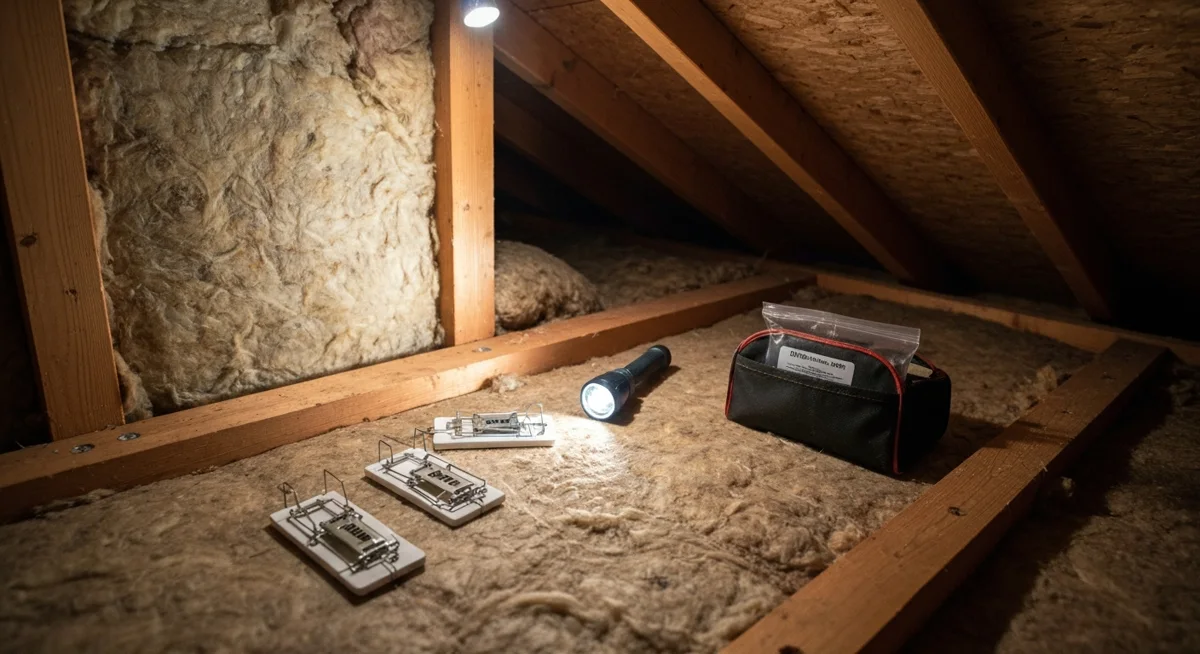
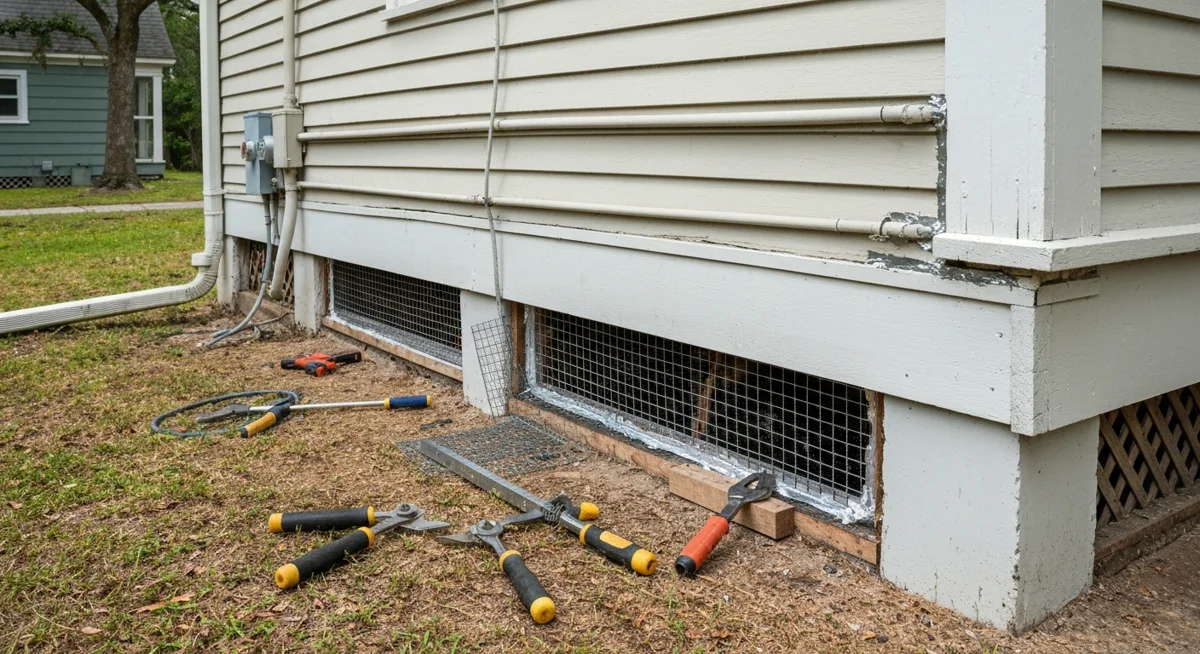
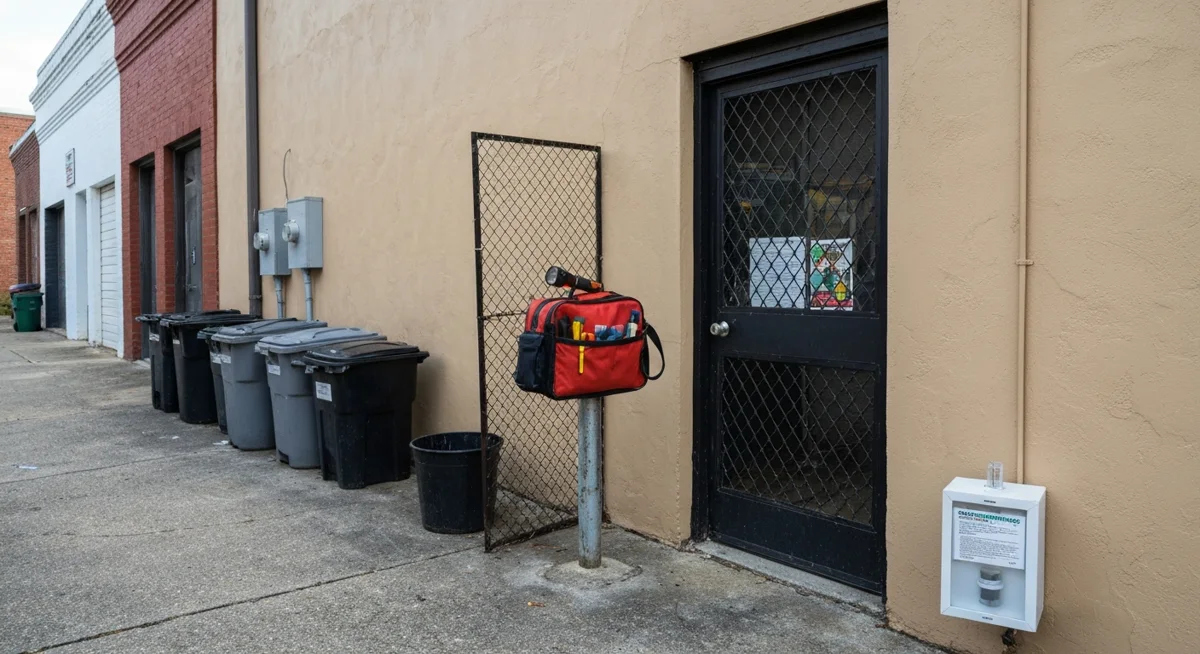
Rodent help for Savannah properties
Rodent problems are not all the same. Some calls are mostly about figuring out what made the noise. Some are about active rats or mice. Others are about finding the openings that let them keep coming back.
Rodent inspection
For noises, droppings, odors, gnaw marks, or a possible entry point when you are not sure what is causing the problem yet.
Learn about rodent inspection →Rodent trapping
For active rats or mice when you need to discuss where they are moving, what areas are affected, and who needs to stay safe.
Learn about rodent trapping →Rodent exclusion
For repeat problems where vents, door edges, roof returns, crawlspaces, or utility openings may be letting rodents inside.
Learn about rodent exclusion →What to mention when you call
Fresh signs are more useful than guesses. Look for the newest droppings, sounds, damage, smells, openings, or sightings before you call.
droppings in cabinets, pantries, laundry rooms, garages, or storage areas
Say where the newest signs are: under the sink, in the pantry, above a bedroom, in the garage, under the house, or near a business door.
scratching in ceilings, walls, attics, crawlspaces, or under floors
Mention when it happens. Night scratching, morning droppings, after-rain activity, and tenant reports all help narrow it down.
burrows beside foundations, sheds, porches, fences, or trash areas
Tell us about nearby food, pet bowls, trash, vines, shrubs, stored boxes, open vents, or gaps under doors.
gnaw marks around vents, pipes, door sweeps, roof returns, or utility lines
If you tried traps or cleaned already, say whether the signs stopped, moved, or came right back.
rat or mouse problems at restaurants, offices, warehouses, and rentals
For a rental or business, mention access times, tenants, staff reports, delivery areas, and any food or customer areas nearby.
new sightings after cleaning, store traps, or yard work did not fix it
If this is not the first time, say how often it has happened and which spots keep showing signs.
Savannah homes and buildings are different
Homes and businesses here can vary a lot. A Historic District building, a Midtown house, an older crawlspace home, a rental, a restaurant rear door, and a commercial space near an alley all create different rodent concerns. Mention what kind of property it is and where the signs are appearing.
Moisture, heavy plants, older construction, nearby buildings, trash areas, and crawlspaces can all affect where rats or mice travel. The more you can say about the building and the newest signs, the easier the call is.
Residential and commercial calls
Residential
For a house, mention kitchens, cabinets, attics, crawlspaces, garages, sheds, pets, children, and the newest droppings or sounds. Also say whether cleanup or traps changed anything.
Commercial
For a business, mention customer areas, staff reports, food or stored goods, delivery doors, dumpsters, shared walls, and the easiest time to get access.
How rodent problems are usually handled
A good rodent-control call starts with what you actually saw, heard, or smelled. From there, inspection, trapping, and exclusion can be discussed in the right order.
Inspect
Start with droppings, scratching, gnaw marks, burrows, odors, stains, and possible access points.
Identify
Decide whether the signs point to rats, mice, an attic, a crawlspace, or old damage.
Address
Talk through the active signs, the rooms or exterior areas involved, access needs, pets, children, tenants, customers, and anything already tried.
Prevent
Check gaps, vents, door edges, rooflines, plants, and food sources that may keep rodents around.
A quick checklist before you call
- Where you saw the rodent, droppings, gnaw marks, or burrows.
- Whether the signs are inside, outside, attic-related, crawlspace-related, or commercial.
- When the activity started and whether it is getting worse.
- Any sounds in walls, ceilings, attic spaces, or under floors.
- Visible openings around vents, doors, pipes, rooflines, or foundations.
- Pets, children, tenants, customers, food storage, or business operations affected.
- Traps, cleanup, sealing, or other steps already attempted.
- Access limits, gate codes, tenant schedules, or business hours that matter.
Simple rule: If rodents are active, coming back, or showing up near a kitchen, bedroom, tenant space, or business area, call 912-305-8846. Explain what you found and where it is happening.
Savannah rodent-control questions
What do I mention when I call Savannah Rodent Control?
Mention what you found, where you found it, when it started, and whether the signs are fresh, inside, outside, or near food.
Can cleanup alone solve a rodent problem?
Cleaning helps with the mess, but it does not always solve why rodents showed up. If signs return, call and explain what came back first.
Does this site promise a price or appointment time?
No. Price, scheduling, availability, and service details depend on the provider, property, access, and work needed.
When is a phone call better than waiting?
Call when the signs are fresh, spreading, close to food or bedrooms, affecting tenants or customers, or coming back after cleanup or store-bought traps.